The plane tilted a wing toward the sparsely arranged mountain town as we made our final decent. The modest street grid of downtown jutted out into an errant sprawl of greenery and beige slate outcroppings. Cresting wreaths of verdant mountain ranges closely flanked three sides of the town. As we banked through the craggy, ponderosa pine-covered expanse the structures below grew closer. However, after an hour of flight time over perpetual wilderness, the remoteness of the landscape superseded any semblance of approaching civilization.
Upon landing, I would look upon the sky above as a beacon, teeming with stars at night and, by day, the golden orb that bathed the land completely. A symphony of life suspended in a gauzy primordial echo, flat earth puckered into glacier carved cordilleras. I soon learned of vast river networks and intricate ecosystems, spawning trout and caddis hatches. The evidence of a human-animal symbiosis was omnipresent, the stewards of this agreement wearing Patagonia hats and polarized sunglasses, scanning the rippling current from a shady river bank while they changed flies. I was 10 years old the first time I touched down in Missoula, Montana.
It became an emblem for my family. The crystal-clear water purified and stripped us of our big city affectations. I watched “A River Runs Through It” as a young boy and was entranced that a piece of cinema could capture the specialness of Missoula writ large after witnessing it firsthand.
Zip codes spanning thirty-to-forty miles and a passthrough of cargo trains 5,000 meters long carrying coal, oil and lumber on the BNSF Railway. Up until 1999 there was no speed limit, with the encouragement for drivers to be “responsible and prudent”. The remnants of a western ethos that charged the frontier mentality.
Just outside Missoula is the Hell’s Gate, a steep valley framed by the Rattlesnake and Bitterroot Mountains defined by a narrow pass, which Lewis and Clark transversed during their famed expedition. The Blackfeet, who were territorial about hunting on the prairie side of this valley, often ventured into the mountains and savagely ambushed western tribes as they came through the canyon thus spawning the name “Gates of Hell”. To the north, the mountains of Glacier National Park, which began forming 170 million years ago, encompass more than 1 million acres of protected wilderness. There simply is no other place in the world that can match the cultural, geographical and ecological wonders of Western Montana.
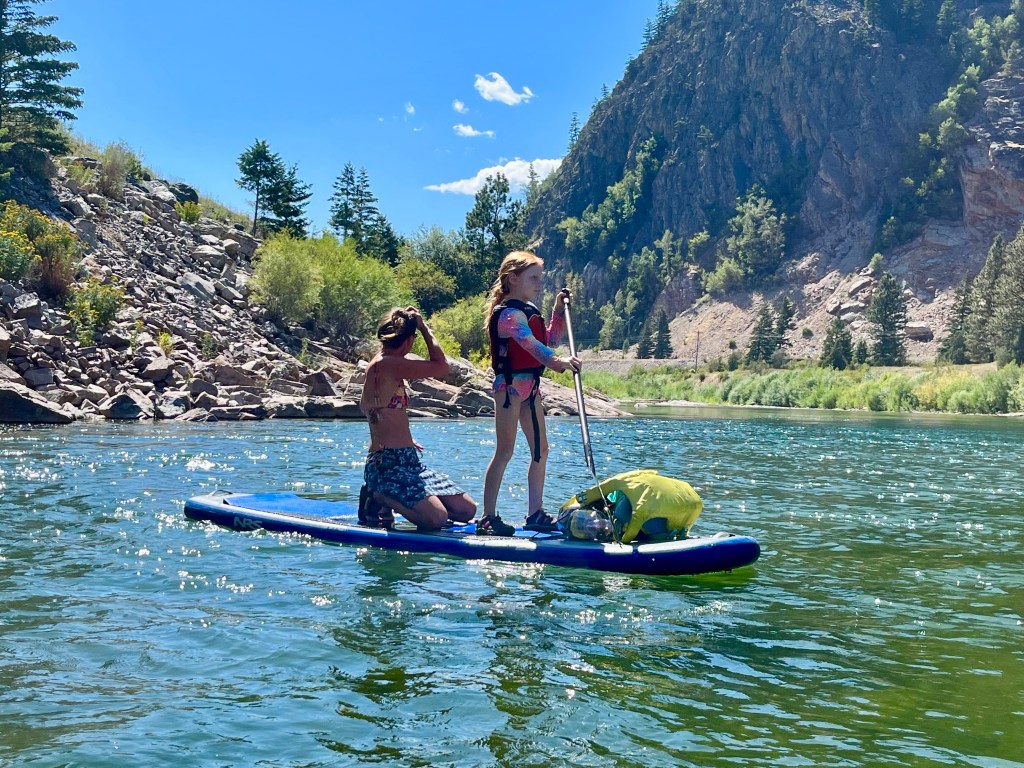
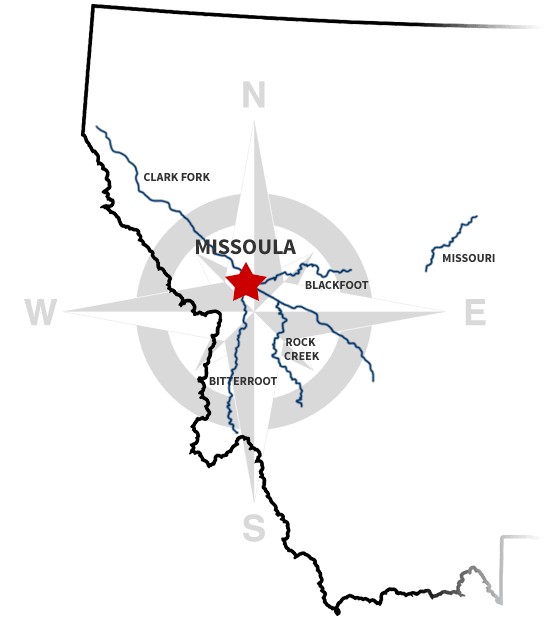
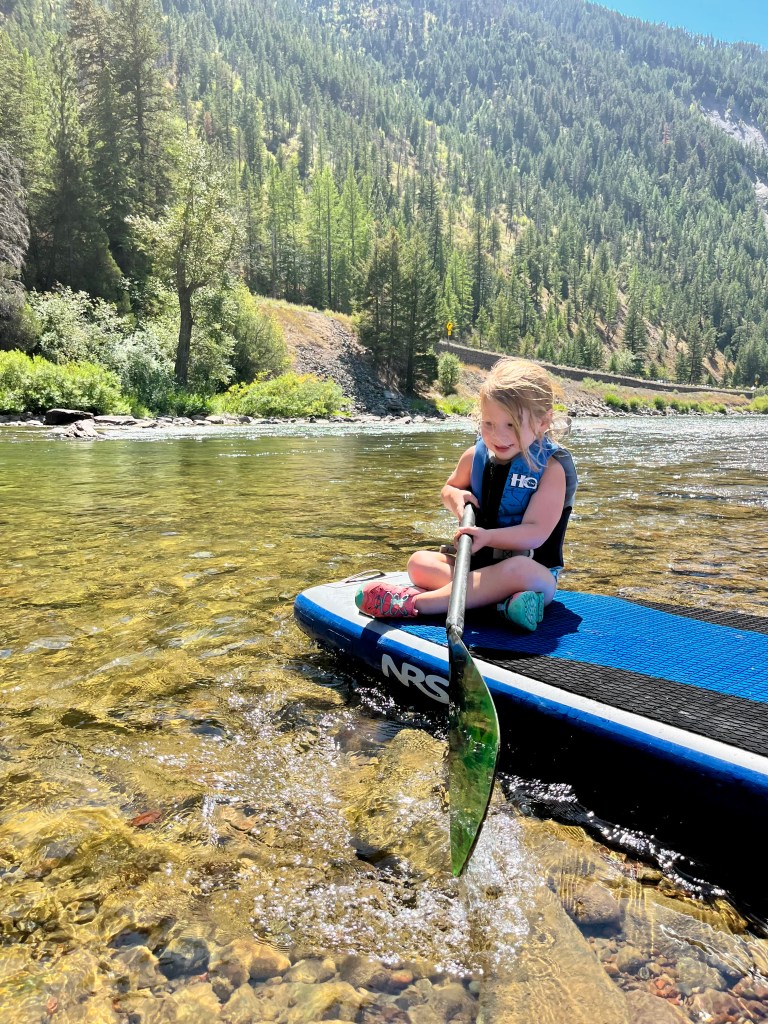
The Clark Fork, Rock Creek, Bitterroot, Blackfoot and Missouri rivers converge near Missoula and that’s where my Dad found his muse. We packed up every summer starting in 1990 and stalked native trout, glassed the bison ranges and forged memories in the dry Montana heat. Thirty five years later I’ve been granted the honor of bringing my daughters here.
The direct link with our own humanity is a river in Montana. Rich with history but without memory, spilling, tumbling, slipping above the mossy bed, imbued with a basic truth – We exist in the quietude of an abiding nature which tethers us to our ancestors and our future. We are not an edifice of beliefs, but merely a momentary thing, a collection of insoluble specs that drift downstream without destination or agency. We are time immemorial.

 The Clumsy Interloper
Share Your Thought Bubbles