The concepts in Atomic Habits by James Clear at first blush appear to be reductive and simple – make small changes and over time they will yield remarkable results. This is the elevator pitch and a fair enough basis for inquiry. However, upon cracking the book I’ve been drawn to the core themes on both a functional and metaphysical level.
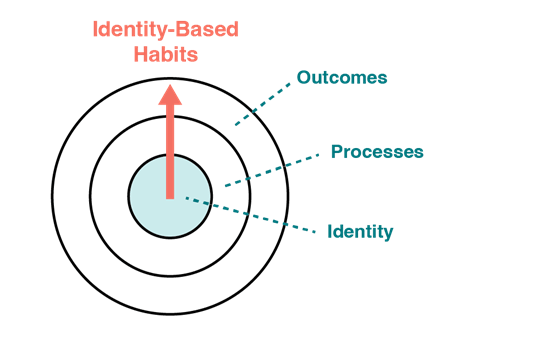
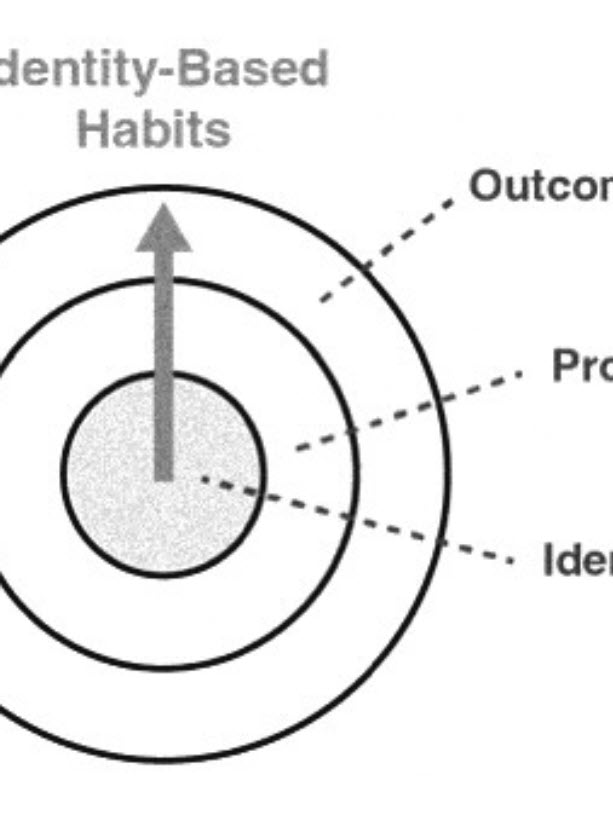
According to Atomic Habits there are three layers of behavior change: Outcomes, Processes and Identity.
- The first layer is Outcomes which is concerned with changing your results (i.e. losing weight, gaining a promotion, publishing a book).
- The second layer is Processes which is concerned with changing your habits and systems (i.e. a new gym routine, decluttering your work space regularly, a meditation practice)
- The third layer is Identity which is concerned with changing your beliefs (i.e. your self-image, your worldview, your judgements about yourself and others)
Clear writes, “Outcomes are about what you get. Processes are about what you do. Identity is about what you believe.” I believe the simplicity of this statement is a Trojan Horse for a profound universal truth. Namely, we tend to view behavior from an Outcome-Based approach, is in: I have an urge to change this outcome which requires me to alter a process and hopefully this will yield a shift in who I am. This is a disjointed path as our true self is not being consulted during this process, but rather the fickle thoughts that steer our mind are guiding the impetus for change. This is not a sustainable model for transformation.
I like the concept of an Identity-Based approach because the shift occurs from within and then organically folds into actions and results. If one were to embark on a new smoke-free lifestyle and someone offers them a cigarette, which of the following responses signals that the identity is in charge:
“No thanks. I’m trying to quit.”
“No thanks. I’m not a smoker.”
By activating your intention from an identity-first perspective you gain a footing that isn’t present if you simply alter the habit. Your belief structure scaffolds your adaptation. Everyday you prove to yourself that you are a writer because you write a page. Everyday you prove to yourself that you are an athlete because you exercise for 30 minutes. If your totem is the identity, the processes and outcomes will follow.
This leads me to this Pete Holmes post about the relationship between our base awareness and our thoughts.
I think this concept is a valuable ally to the Identity-Based approach discussed above. Thoughts can arise, wafting over the conscious mind, and reveal desires which drive imprudent behavior. By viewing our thoughts as manifestations of our inner self, we begin to act in ways that are destructive or misaligned with our true nature. Pete quotes Ram Dass, “Instead of saying I am depressed say there is depression.” That is exactly it. By internalizing on our negative thoughts we ascribe a weight to them that we feel must define us.
I now ask myself, “What kind of person am I?”
The more I connect with this authentic, compassionate, loving person then the question evolves to, “Is this habit consistent with something this kind of person would do?”.
Ultimately the goal is to arrive at a place where my truest nature, my core self, is the driver of my actions and not the other way around.



 The Clumsy Interloper
Share Your Thought Bubbles